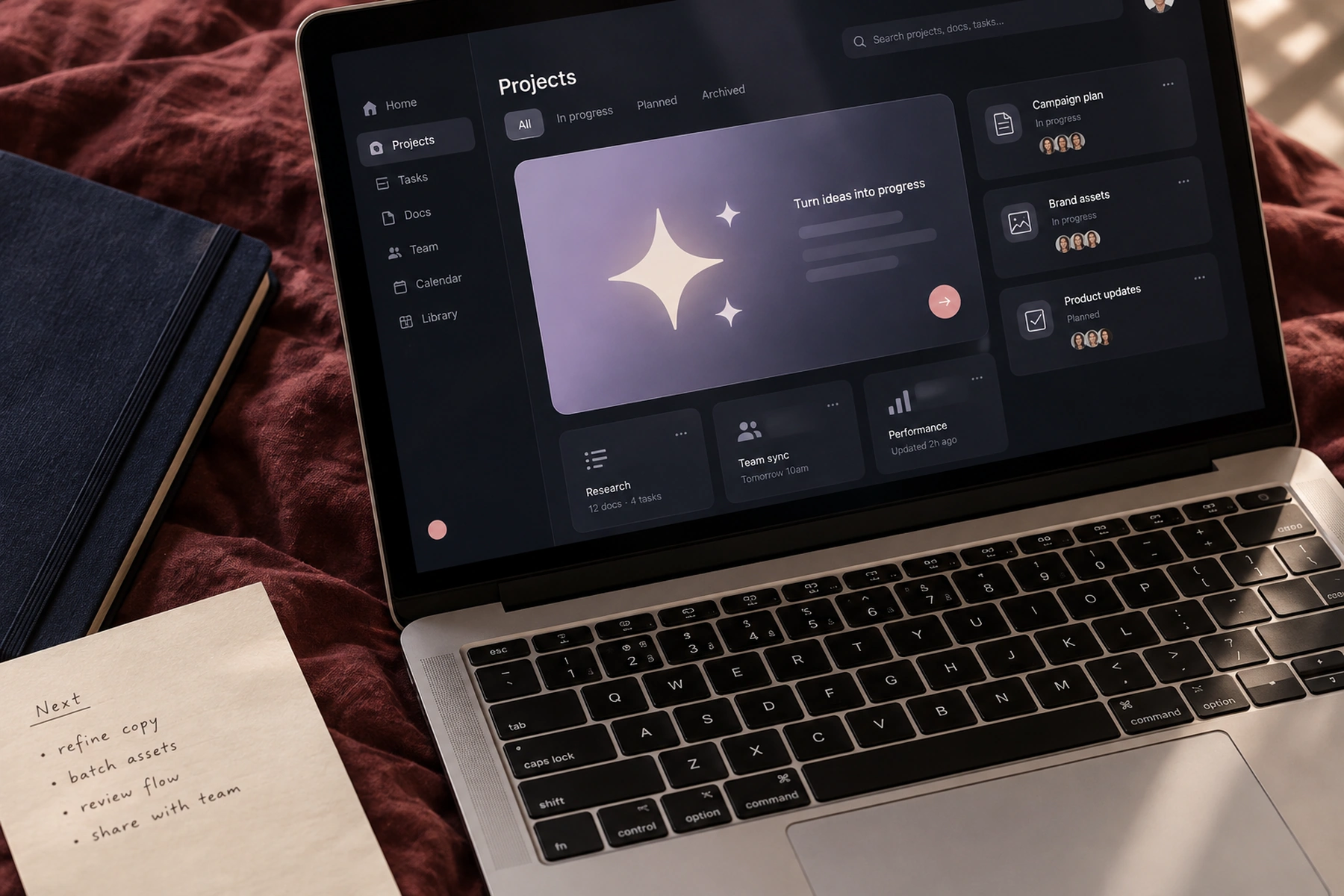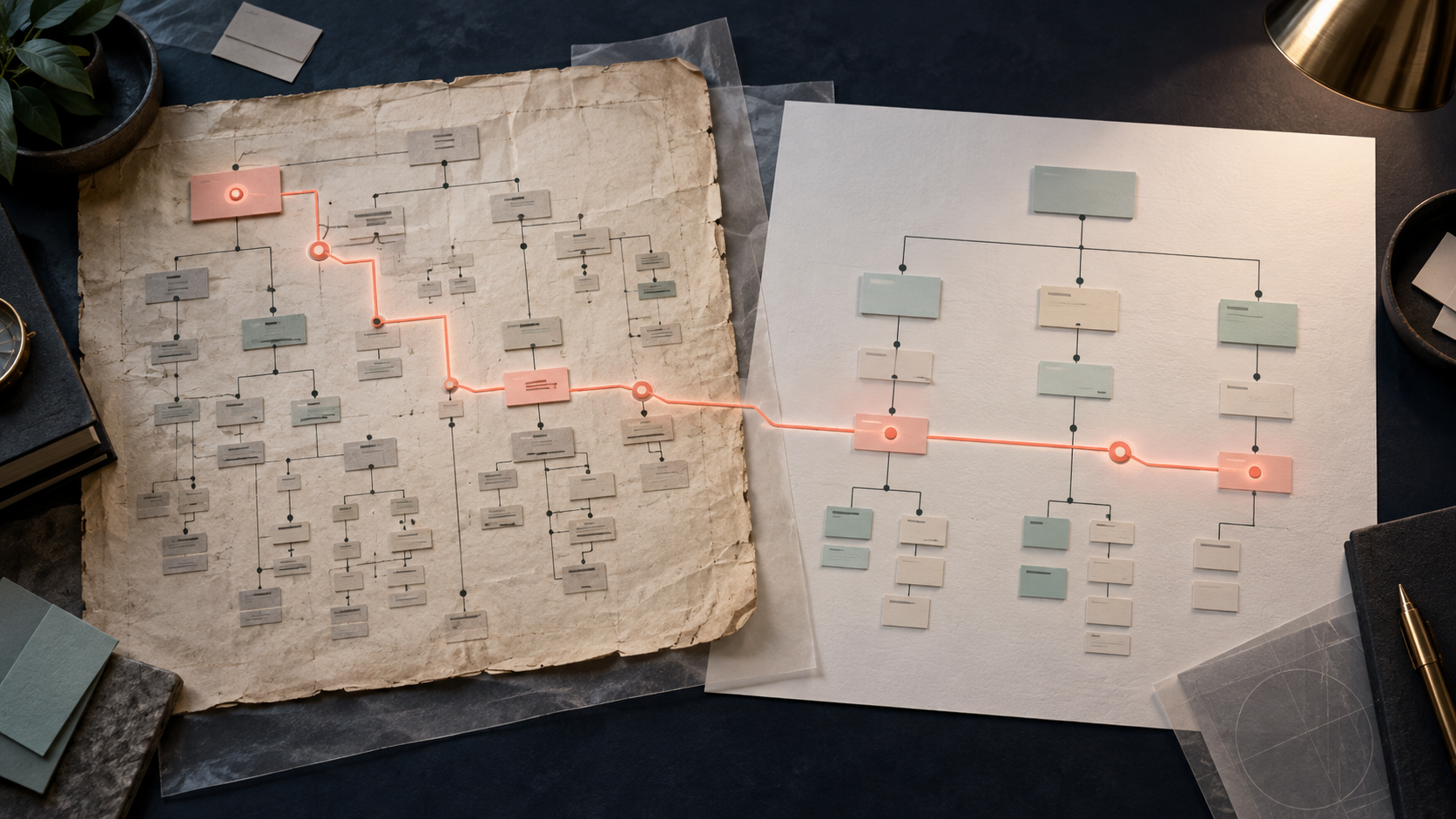
You want your app to feel more current. The brand has moved on, some screens look tired, and a few everyday tasks could be easier.
It sounds like a redesign. Sometimes, that’s exactly what it is: a fresher interface, clearer navigation and better journeys, built on software that still does its job well.
But then a development estimate comes back, and it’s a bigger project than you expected. What happened between “update the screens” and “rebuild part of the app”?
An app can work today and still be difficult to update
The version on your customers’ phones might run perfectly well. Preparing its next release is a different job.
Apple and Google update their submission requirements, and the tools used to build an app need to keep up. Older components can become difficult to update together, especially when their original developers have stopped maintaining them. Apple’s requirements, Google Play’s requirements.
Xamarin is one real example: Microsoft ended support for this mobile development framework in 2024. An app built with it may still work, while its team needs a migration plan for continued development. Some existing code can be reused. Microsoft’s support policy.
For a founder, the useful question is simple: can we keep improving and releasing this product with the technology it has?
That’s something to establish before committing to a new design.
A small screen change can reach surprisingly far
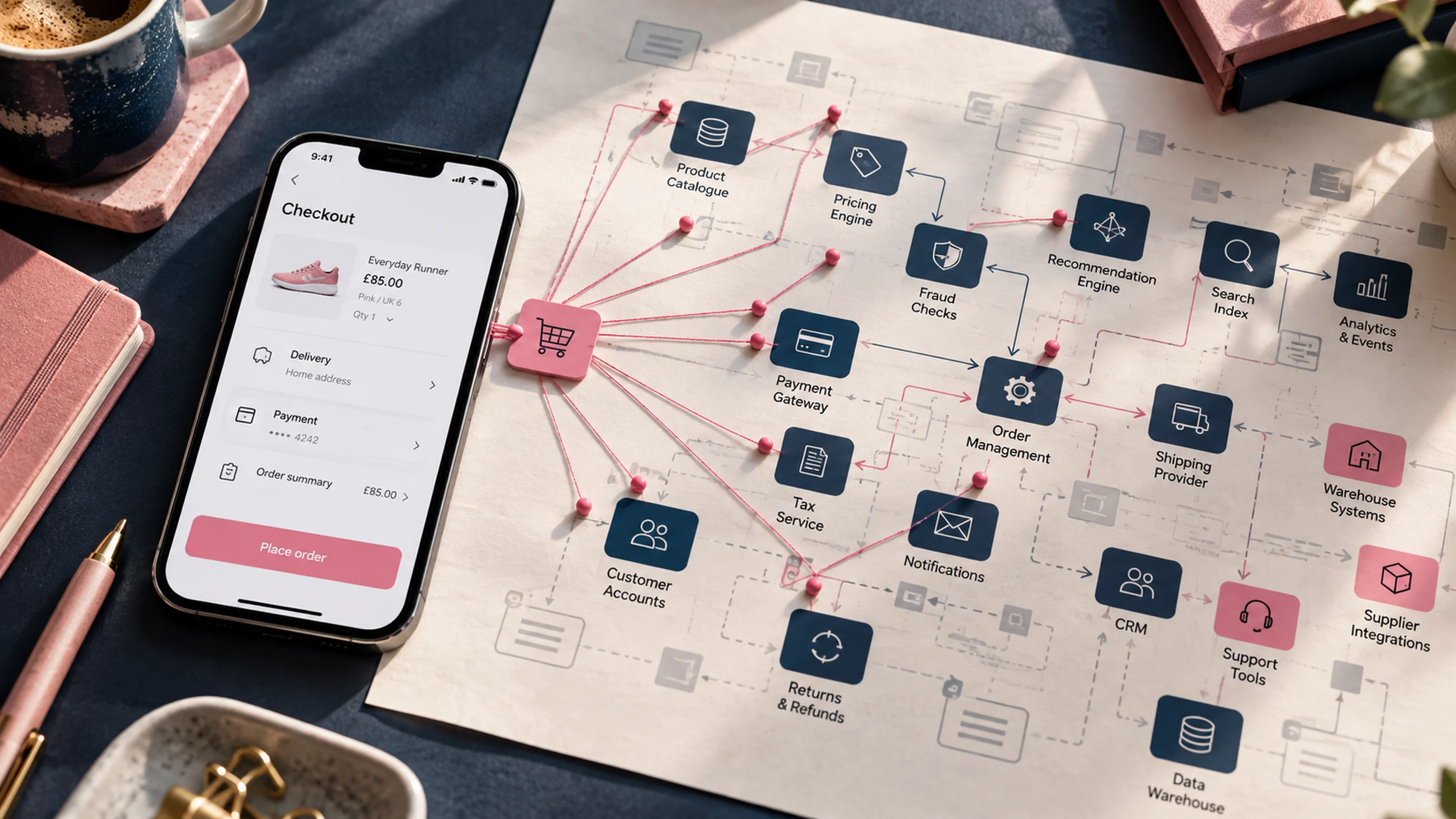
Consider a checkout. On the surface, you’re simplifying a few steps. Underneath, it connects to prices, discounts, subscriptions and order records.
If those parts have become tangled together through years of changes, introducing the new journey can involve separating existing logic and checking that customers still pay the right amount and keep the right access.
The size of the screen doesn’t tell you the size of that job.
This is where UX/UI design and development need to meet. The design establishes a better experience; the technical review explains what it takes to make that experience work.
So when does it become a rebuild?
A rebuild means creating a new implementation of part or all of the product. That might be one troublesome area, the customer-facing app or the backend that manages data and business rules.
It becomes worth considering when continuing to adapt the existing software is less practical than replacing it. The team should be able to explain why.
“Your app is old” tells you very little. “This unsupported component prevents us from releasing the update, and here are the replacement options” gives you something you can assess.
The same goes for the budget. A higher estimate may include replacing components, reworking existing behaviour, moving data and testing the transition. A useful proposal makes that additional work visible. Our UK app development cost guide explains how to compare what’s included.
Starting again still means looking after existing customers
Your customers already have accounts, saved information, subscriptions and routines. Rebuilding the software means planning how those things carry across.
Sometimes the product can be replaced gradually. Sometimes a complete replacement makes more sense. Either way, the development plan needs to explain how customers move over, how their information is checked and what happens if something goes wrong.
That work can be easy to overlook when everyone is looking at the new screens.
Start with what needs to feel better
You don’t need to diagnose the software yourself. If you’re considering a redesign, a useful first step is getting clearer about the experience: where navigation feels confusing, actions are unclear or screens ask too much of the person using them.
Those priorities give your team something concrete to discuss. A technical assessment can then establish what implementing the proposed changes would involve.
Apply for a free UX audit of your mobile or web app. Selected projects receive annotated screens, up to three priorities and practical suggestions on what to change or test — a starting point you can use with your own team.
Custom iOS and Android apps built for your business and your customers.
Explore the service →Or get in touch