We’re introducing AI Automation Sprints: custom AI automations for product and marketing teams, built around the work you keep doing by hand.
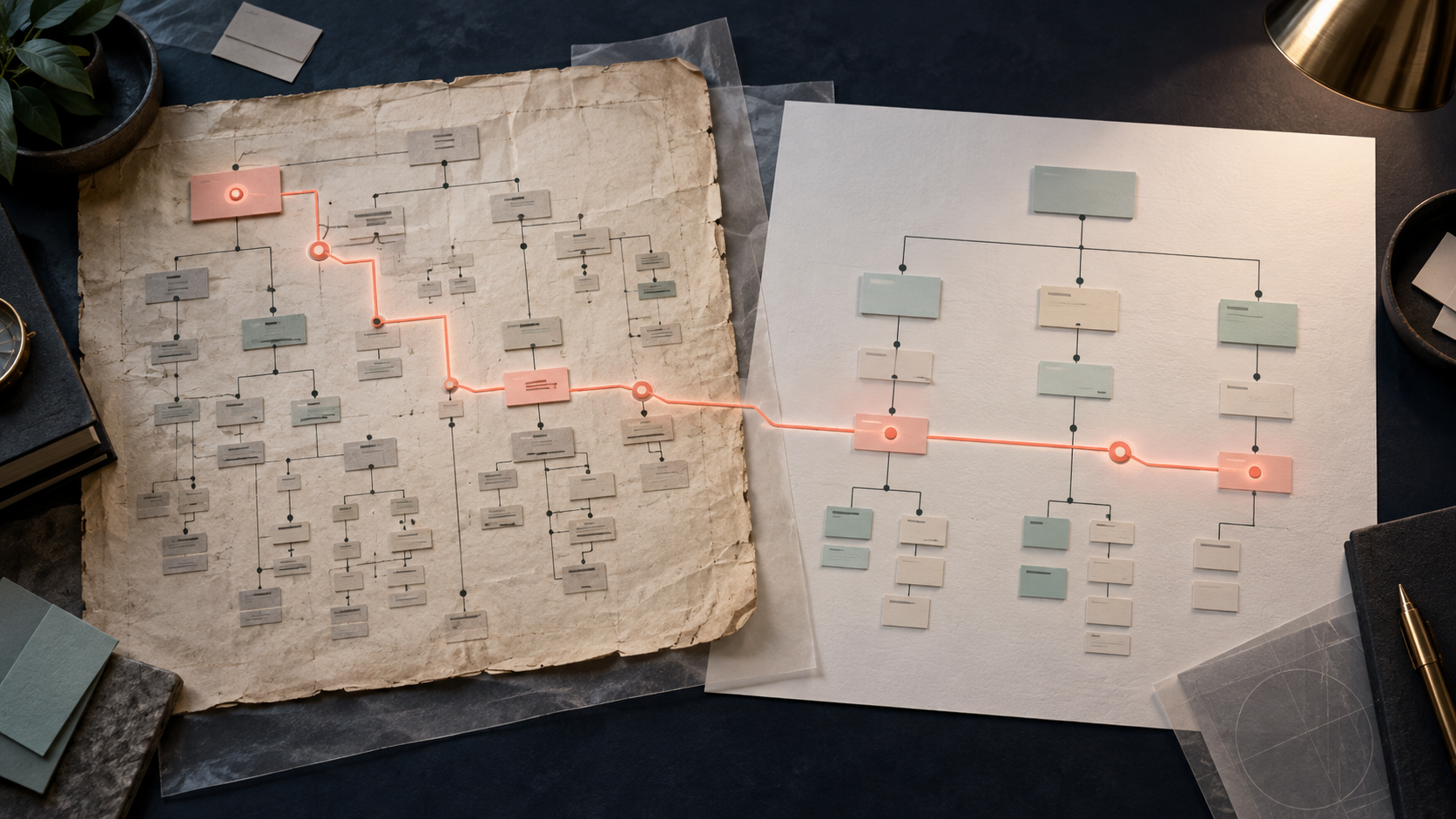
While your team is busy with customers, launches and the rest of the working week, useful information keeps arriving. Website performance changes. New reviews come in. Customers ask questions that could shape your next campaign.
Imagine having agents bring that information together, work through what it could mean for your business and prepare ideas for what to do next. By the time you sit down to review it, the groundwork is already done.
Here’s how that kind of AI workflow automation could work for your team, and where a focused two-week sprint could get you started.
While you’re working, your agents are getting things ready
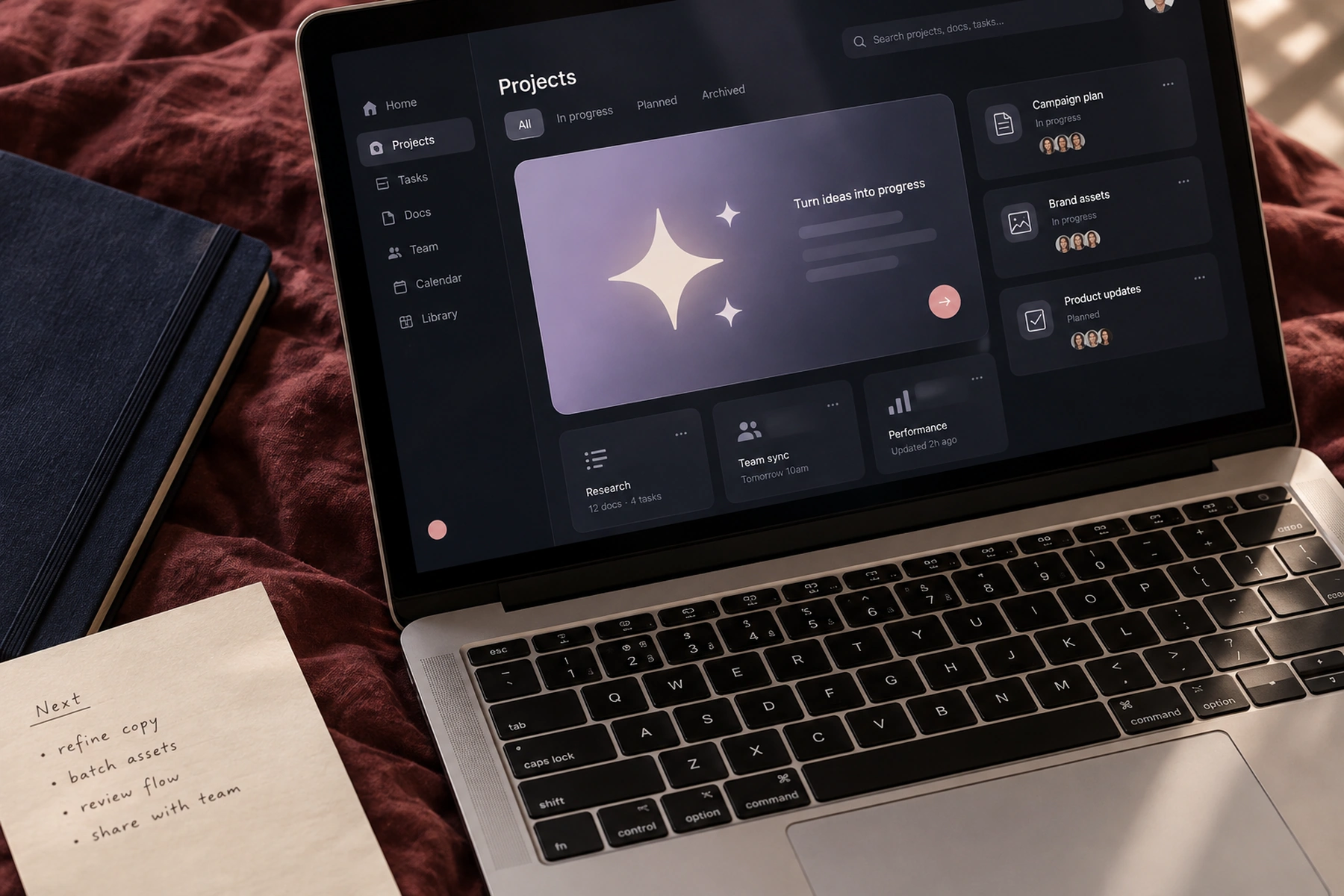
Picture a product or marketing team planning its next website improvements. The following is an illustrative example of a workflow we could create.
During the week, agents gather information from the sources you’ve agreed to connect: website analytics, search performance, customer reviews and notes from customer conversations.
They bring the signals together, look for recurring themes and consider them alongside your offer, audience and current priorities. From there, they develop a shortlist of hypotheses, with the reasoning and a suggested test for each.
When you open your review, you have something to work with:
- What’s happening: the relevant changes in performance and the questions customers keep asking.
- What might help: a few proposed improvements, supported by the information behind them.
- What to try first: a suggested priority, what the test would involve and how you could judge the result.
You can follow the sources, compare the proposals and choose where to go next.
Pick a direction. Let the next step take shape.
Say customers keep asking what they’ll actually receive from your service. The agents suggest two hypotheses: a clearer explanation of the deliverables could make the offer easier to understand, while a concrete example could help visitors picture the result.
Each comes with a proposed change and a way to test it. Your team chooses to develop the first.
That decision starts the next stage of the workflow. Using your approved service information, brand guidelines and existing components, agents prepare a landing-page draft: the structure, the copy and a first version of the page for review.
If you need to take the same idea into customer conversations, the workflow could instead assemble a presentation using your branded template.
While that work is happening, your team can get on with something else. When you return, there’s a draft waiting for your feedback.

Built around the way your business works
The useful part is how the steps connect. The customer question that prompted a hypothesis stays with it as the idea becomes a brief, then a page or presentation.
Your team’s context travels with the work too: who you’re speaking to, what you offer, how you describe it and what good work looks like for your brand.
We agree those inputs and review points when setting up the workflow. That gives the agents a clear job to do and gives your team control over the decisions that move it forward.
You choose the direction, review the materials and approve what gets used. As new information arrives, the process is ready to run again.
Where could your team start?
Look for a piece of work that regularly waits for someone to find the time.
Perhaps customer feedback piles up before a product review. Perhaps you have plenty of campaign ideas, but preparing the first version takes weeks of back-and-forth. Or perhaps website reports arrive every month without becoming a clear proposal for what to change.
A useful first workflow takes one of those tasks far enough that someone else can pick it up and act:
- Customer feedback becomes developed hypotheses for the next product review.
- Website and search data become proposed experiments, with evidence and priorities.
- A selected idea becomes a landing page or presentation draft in your brand’s context.
To judge whether it’s helping, look at the whole task: preparation time, review time and how much work it takes to get the result ready to use.
Let’s build your first workflow
In our two-week AI sprint, we choose a focused workflow with your team, agree the outcome and set it up around your tools and materials. We test it on real tasks, refine the results together and help your team keep using it.
The example above shows how a connected process could grow. Your first sprint might focus on gathering signals and developing hypotheses, or on turning a chosen direction into materials ready for review.
Bring us the work you’d love to have waiting for you. We’ll help you work out what your agents could get started on.
High-impact websites that showcase your business and drive sales.
Explore the service →Or get in touch