Brand re-designs can be a risky business, but when done right, they can be incredibly beneficial. A successful re-design can do several things:
- Reinvigorate its image and appeal to a new audience
- Differentiate itself from its competitors
- Reflect its changing values and mission
- Boost brand awareness and sales
Here are five examples of high-profile brands that have undergone successful re-designs:

1. Coca-Cola
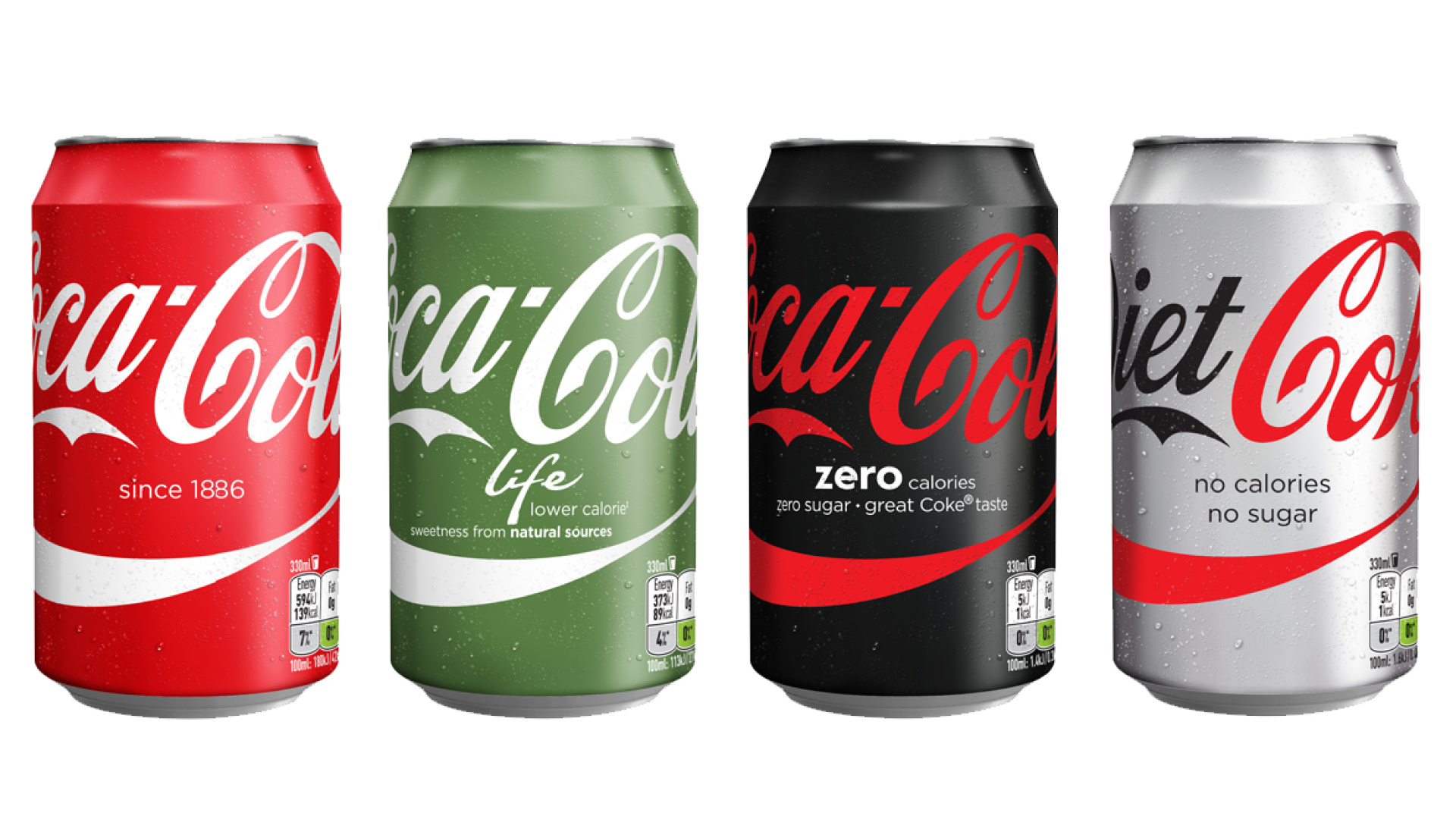
Coca-Cola is one of the most recognizable brands in the world, but that doesn't mean it's immune to the need for a redesign. In 2015, the company unveiled a unified packaging change across its line of cans in the UK placing them all under a single brand look and feel along with a new tagline. The new logo was a simplified version of the original, with a more streamlined font and a more vibrant colour palette.
The redesign was met with positive reviews from consumers and critics alike. It helped Coca-Cola to connect with a younger audience and it helped consumers find clear differentiation between each of its products, something they’d previously struggled to do under the previous branding.

2. Burger King
In 2021, Burger King unveiled a new logo and branding that was inspired by its original logo from the 1960s. The new logo was flatter and simpler, with a more playful font. The colour scheme was also updated, with a brighter red and a more muted yellow.
The redesign was well-received by consumers, who appreciated the return to the brand's roots. It also helped Burger King to differentiate itself from its main competitor, McDonald's.
3. Dunkin' Donuts
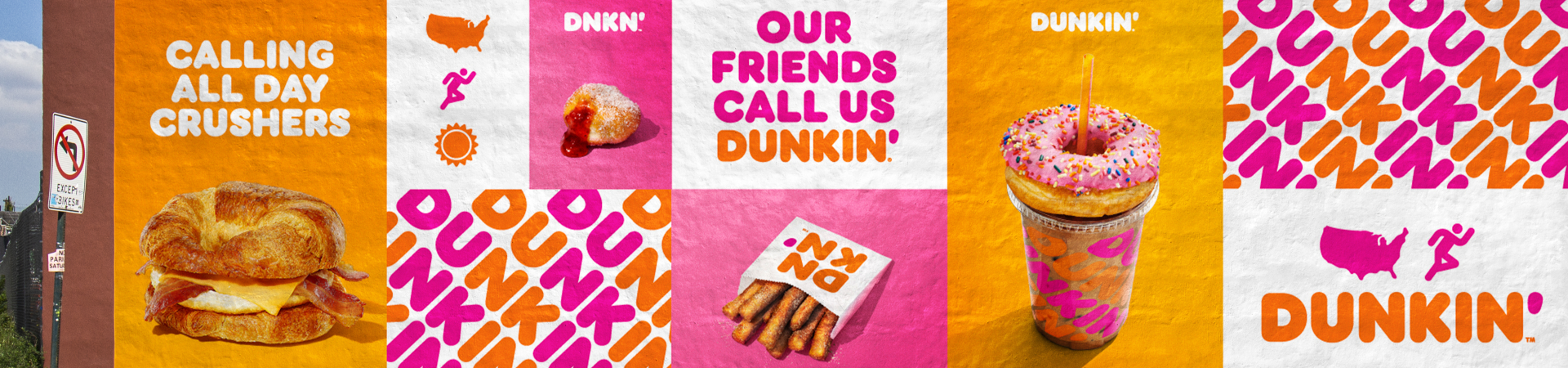
In 2019, Dunkin' Donuts dropped the "Donuts" from its name and rebranded as Dunkin'. The re-design included a new logo, branding, and advertising campaign. The new logo was simpler and more modern, with a focus on the brand's coffee and other beverages.
The redesign was a success, helping Dunkin' to attract a younger audience and to position itself as a more modern brand.

4. LEGO
In 2004, LEGO was on the verge of bankruptcy. The company had lost touch with its core audience, children, and was struggling to compete with other toy companies. To turn things around, LEGO launched a major rebranding campaign that harkened back to its roots.
The re-design focused on LEGO's core values of creativity and play. The company also introduced new products, such as LEGO City, Space, Mindstorms and LEGO Architecture, which were specifically designed for the vast spectrum of different age groups.
The redesign was a huge success. LEGO sales skyrocketed and the company was able to avoid bankruptcy.

5. Airbnb
In 2014, Airbnb unveiled a new logo and branding that was designed to be more inclusive and welcoming. The new logo was a simple, geometric design that was inspired by Airbnb's core values of belonging and community.
The redesign was well-received by consumers, who appreciated the brand's new focus on diversity and inclusion. It also helped Airbnb to attract a wider range of customers.
Redesigning your brand can be done for a multitude of reasons and recently the need to be digitally “safe” has constituted one of the largest drivers in brand redesigns. For better or worse, brands need to be wary of why they’re choosing to change and what the new direction can bring them.
Brand Collaboration:
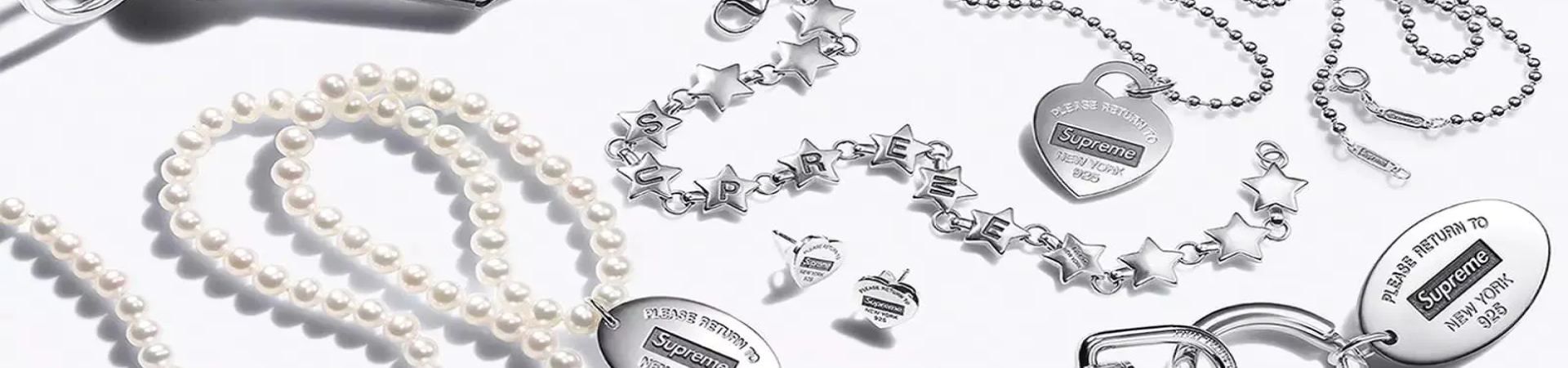
Brand collaboration can also be a great way to re-energize a brand and appeal to a new audience. For example, in 2022, Supreme collaborated with Tiffany & Co. to release a limited-edition line of jewellery and accessories. The collaboration was a huge success, with items selling out within minutes of their release.
Another example is the collaboration between Louis Vuitton and Nike, which released a limited-edition line of Air Force 1 sneakers in 2021. The sneakers were a huge hit with both fashion and sneakerheads alike.

Brand collaborations can be a great way for brands to reach a new audience and to create buzz and excitement around their products.
In conclusion, brand re-designs and collaborations can be a great way for brands to refresh their image, attract new customers, and boost sales. However, it's important to do your research and to work with experienced professionals to ensure that your re-design is successful.
Distinctive brands that get your business noticed and remembered.
Explore the service →Or get in touch